An In-Depth Look at Mazda's G-Vectoring Control and What It Does
November 21 2023,
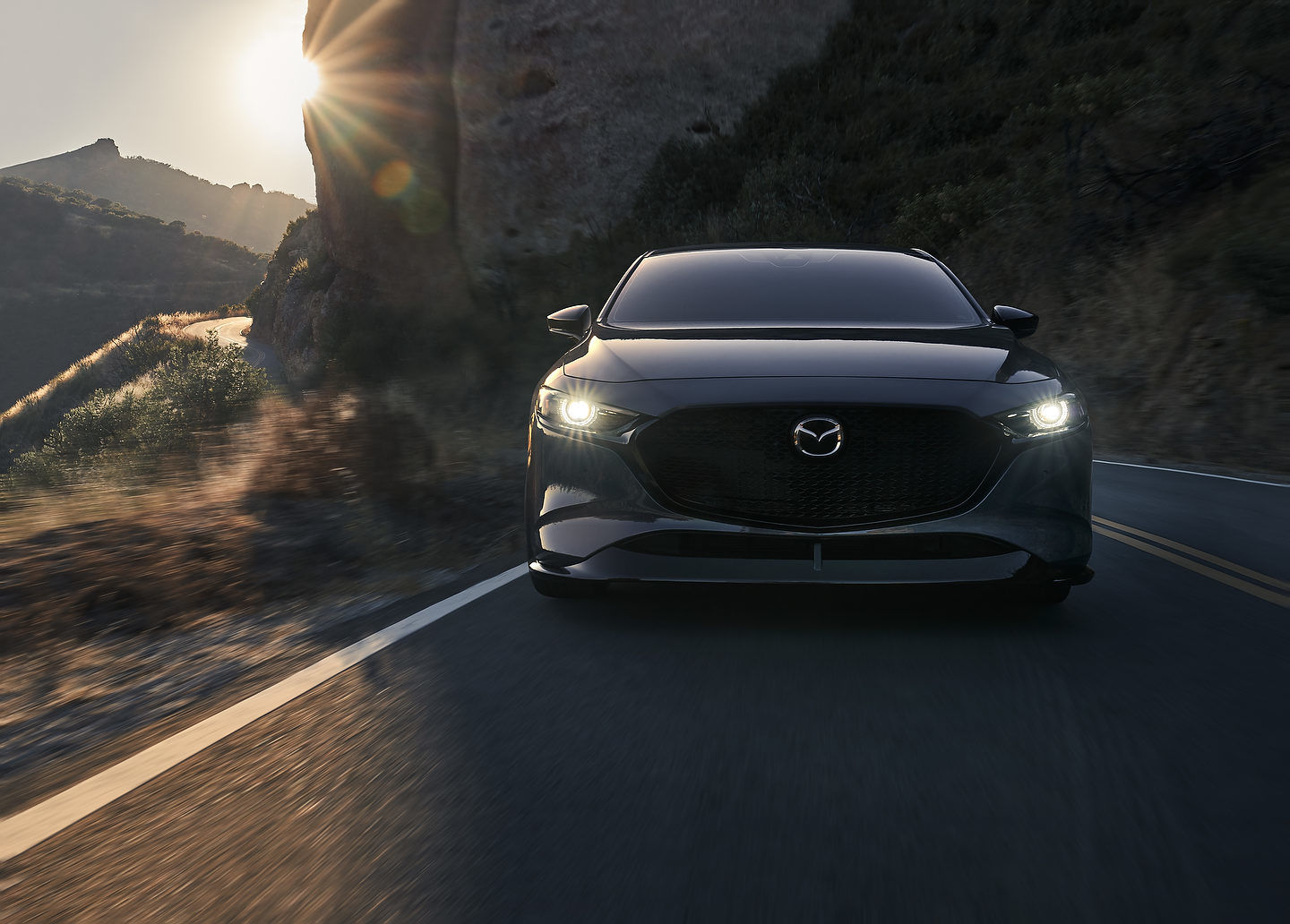
Mazda's implementation of G-Vectoring Control (GVC) continues to be a pivotal development in the automotive industry, consistently improving vehicle handling and stability. Embedded within Mazda's philosophy of Jinba-Ittai, which focuses on creating a seamless bond between driver and car, GVC exemplifies Mazda's ongoing efforts to advance driving experiences through innovative technology.
Unpacking GVC Technology
In the realm of Skyactiv-Vehicle Dynamics, GVC emerges as a key innovation, integrating essential components such as the engine, transmission, chassis, and body to refine overall vehicle dynamics. What sets GVC apart is its utilization of engine control in modulating chassis performance. This method facilitates smoother transitions of G-forces during diverse driving maneuvers, including braking, turning, and accelerating, fostering a more cohesive and intuitive driving experience.
The hallmark of GVC lies in its dual control over lateral and longitudinal forces. Through tailored adjustments of engine torque in response to steering commands, GVC enhances tire load efficiency. This leads to not only a more controlled driving experience with fewer steering adjustments but also elevates overall comfort and stability. GVC is especially beneficial under challenging conditions like wet or snowy roads, enhancing vehicle safety through superior handling.
Broad-Scale Integration
GVC's integration into the SKYACTIV model range is noteworthy for its simplicity and efficiency. As a software-driven solution, GVC does not require additional mechanical components, enabling its application across various SKYACTIV models. This approach reflects Mazda's forward-thinking in harnessing engine torque adjustments to augment chassis performance, representing a significant leap in the field of vehicle dynamics.
The impact of GVC is multifaceted, enhancing driver confidence by reducing the need for constant steering adjustments, thus facilitating a smoother driving experience. It also plays a crucial role in passenger comfort, diminishing movement and sway, which in turn reduces fatigue on longer journeys. These improvements are a testament to Mazda's commitment to its Zoom-Zoom vision, emphasizing both environmental sustainability and safety.
Enhancing Safety with GVC
Beyond improving driving dynamics, GVC significantly bolsters the safety of passengers. It achieves this by augmenting the sensation of tire grip, a critical factor in ensuring vehicular safety under a variety of road conditions.
In conclusion, Mazda's G-Vectoring Control remains a standout technology in improving vehicle control, stability, and comfort. Its wide-ranging integration into the SKYACTIV range is a clear indication of Mazda's dedication to enhancing the driving experience through cutting-edge, user-focused engineering. As automotive technology continues to evolve, GVC serves as an exemplary model of how advanced technological applications can not only boost driver assurance but also contribute to a safer, more enjoyable driving experience for everyone in the vehicle.